News & Research
People Are Drinking Less. Is the World Rethinking Alcohol?
New data from the United States adds to a much bigger story. Across countries, generations and beverage companies, the relationship with alcohol appears to be changing.

Something unusual is happening with alcohol.
Not everywhere.
Not at the same speed.
And certainly not enough to say the world has suddenly stopped drinking.
But across countries, generations, beverage companies and social spaces, there are signs that a relationship once treated as almost automatic is becoming more negotiable.
This week brought another one.
Gallup reported that only 54% of American adults say they drink alcohol, matching the record low set last year and the lowest percentage in its trend dating to 1939.
One record-setting year could have been an anomaly. Two begins to look more interesting.
And when we look beyond the United States, America isn't the only place where something is changing.
America Just Hit the Same Historic Low Twice
The American numbers have moved quickly.
In 2023, 62% of U.S. adults told Gallup they drank alcohol. That was close to Gallup's historical average of 63% dating back to 1939.
By 2025, the number had fallen to 54%.
In 2026, it stayed there.
Gallup also found that only 13% of Americans now say they sometimes drink too much, another record low.
And 17% say they have substituted a nonalcoholic beverage for alcohol.
That's an important distinction.
This isn't necessarily a story about millions of people deciding they will never drink again.
Some are.
Others are simply drinking less. Skipping alcohol on certain nights. Trying alcohol-free alternatives. Thinking more carefully about when they drink and why.
The boundary between 'drinker' and 'non-drinker' is becoming less useful for describing what many people are actually doing.
Canada Has Been Buying Less Alcohol for Four Years
Travel north and the measurement changes, but the direction is notable.
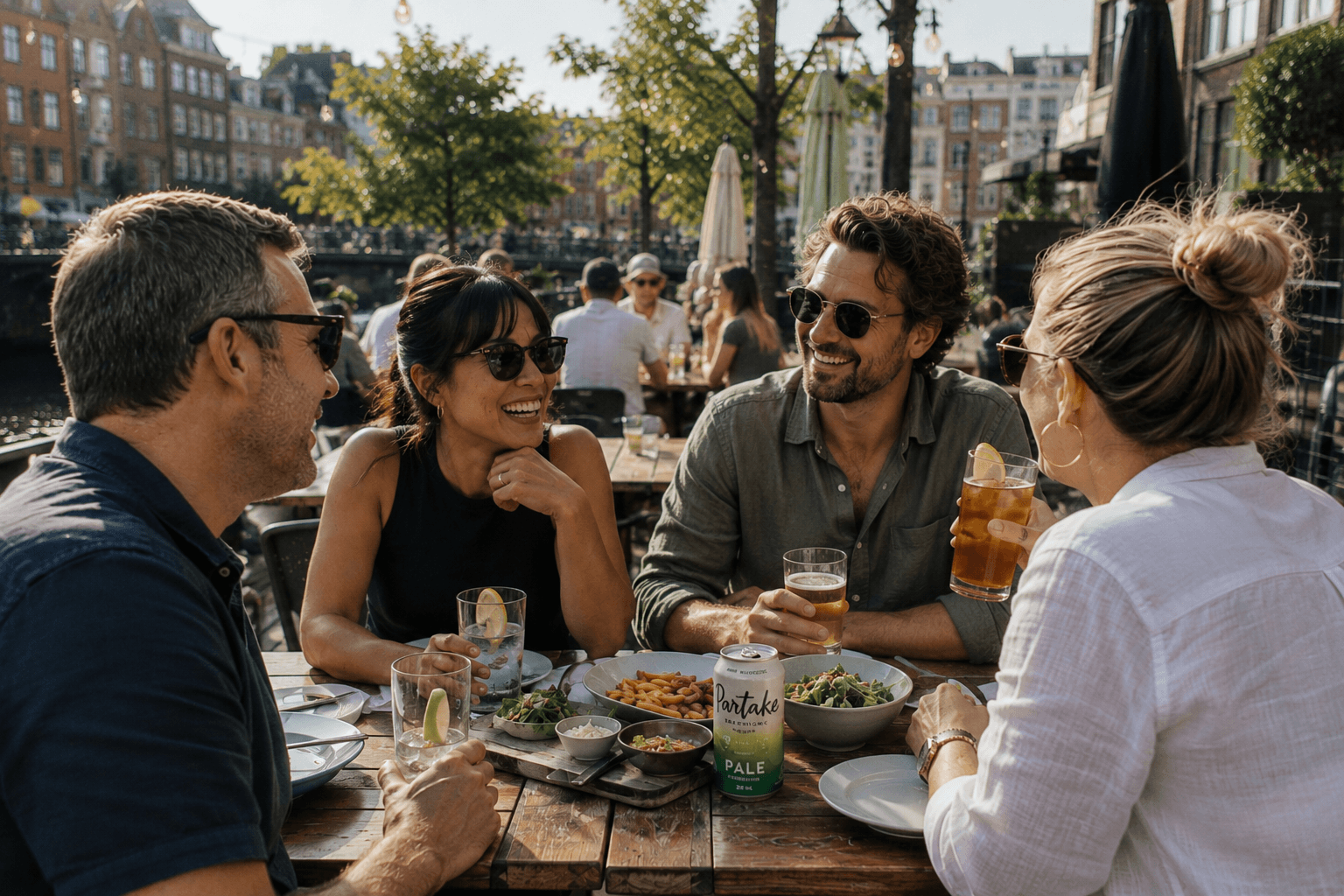
Statistics Canada reported in March that alcohol sales by volume declined 3.0% in 2024/2025, falling to 2.898 billion litres.
It was the fourth consecutive year that alcohol sales volume declined.
The longer comparison is even more striking.
Canadians of legal drinking age purchased the equivalent of an average 8.0 standard alcoholic beverages per week in 2024/2025.
A year earlier, it was 8.7.
A decade earlier, it was 9.7.
Wine sales by volume also declined for a fourth consecutive year, while spirits volume fell 4.4% in the latest reporting period.
Again, this does not mean Canadians stopped drinking.
They clearly haven't.
But four consecutive years of declining alcohol sales volume is harder to dismiss as one unusual year.
Australia Shows How Much Younger Drinking Has Changed
Australia gives us another version of the story.
The country's overall relationship with alcohol remains complicated, and risky drinking is still a significant concern.
Among younger Australians, however, the longer-term direction has changed substantially.
According to the Australian Institute of Health and Welfare, the proportion of people aged 18 to 24 who abstained from alcohol increased from 13.1% in 2007 to 23% in 2022/2023.
Among 14-to-17-year-olds, abstention increased from 39% to 70% over the same period.
Young Australians are also waiting longer to try alcohol. The average age at which people aged 14 to 24 first tried alcohol increased from 14.7 years in 2001 to 16.1 years in 2022/2023.
That doesn't mean alcohol-related risk has disappeared among young adults. AIHW reports that risky drinking among 18-to-24-year-olds remains substantial.
But the long-term changes in abstention and drinking frequency are still meaningful.
For years, 'young people are drinking less' could be treated as an interesting demographic story.
Eventually those young people get older.
Their habits enter workplaces, restaurants, weddings, vacations and homes.
Businesses respond to them. Menus respond to them. Social expectations begin responding too.
That's how a generational change can become a cultural one.
Continue reading
The change is already showing up in where people socialize, including a new kind of nightlife that can start before breakfast.
Europe Reminds Us Not to Oversimplify This
Then there is Europe.
If we stopped at the United States, Canada and younger Australians, it would be tempting to declare that the world is simply moving away from alcohol.
The evidence doesn't support that.
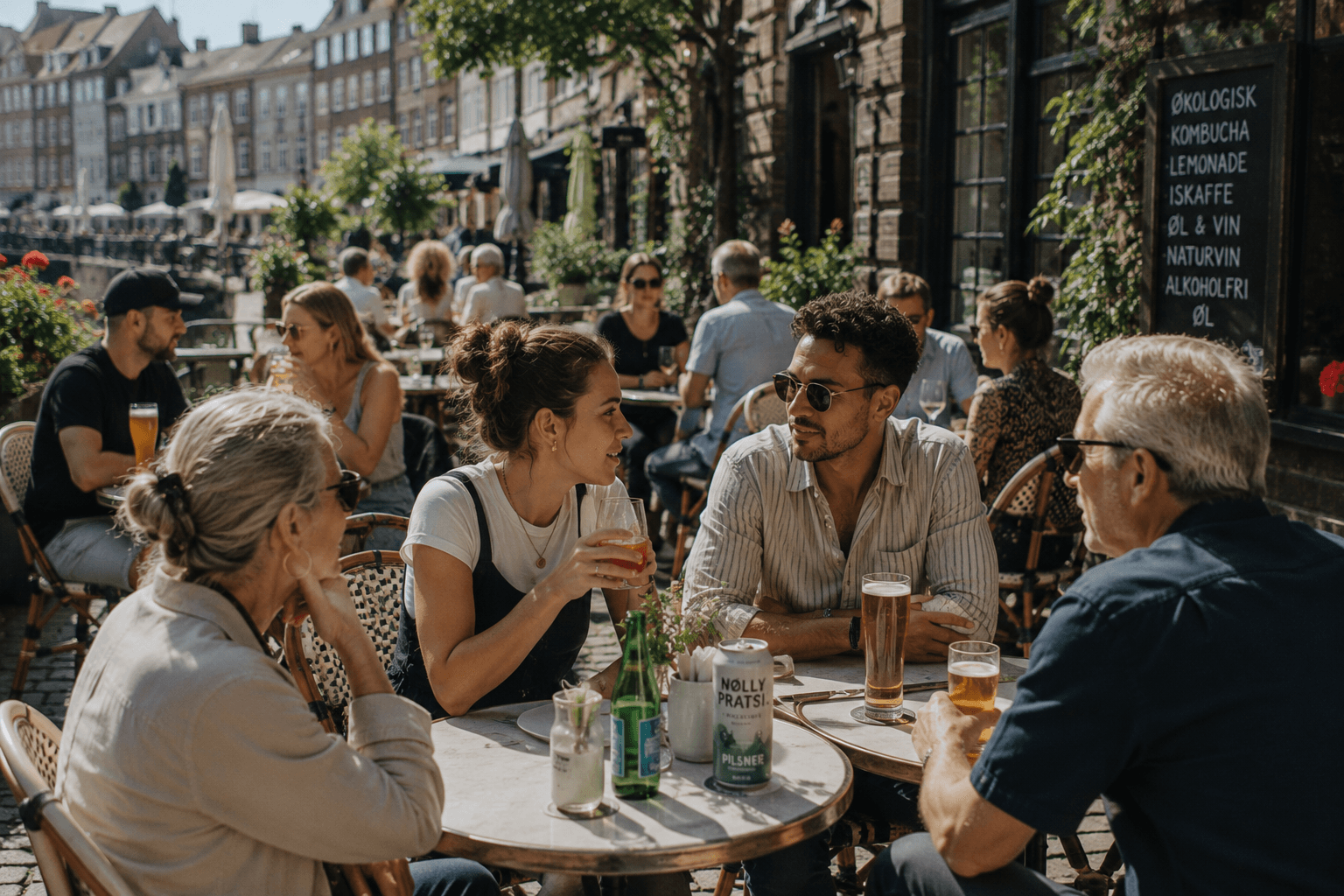
The WHO European Region, which includes 53 countries across Europe and Central Asia, remains the highest-consuming WHO region for alcohol in the world.
Based on the latest globally comparable data cited by WHO, adults in the region consumed an average of 9.2 litres of pure alcohol per year.
WHO has also warned that there has been little or no progress in reducing alcohol consumption and alcohol-related harm across the region.
So no, the world isn't collectively going sober.
But something interesting is happening inside established drinking cultures.
And one of the clearest signals is coming from companies whose business has historically depended on alcohol.
The Beer Companies Are Watching This Too
In its first-half 2026 financial results, Carlsberg reported 11% organic volume growth in alcohol-free brews.
That's not a number from a sobriety organization.
It's coming from one of the world's major brewing companies.
Carlsberg also reported strong growth in other categories, including soft drinks, while continuing to invest across its broader beverage portfolio.
Businesses follow demand.
When one of the world's largest brewers identifies alcohol-free brews as a growth category, it tells us something about how seriously the beverage industry is taking changing consumer preferences.
The alcohol-free option is no longer sitting quietly at the edge of the menu.
It's becoming a category worth competing for.
The Alternatives Got Better
That may be one of the simplest explanations for why changing your drinking habits feels different today than it did even a decade ago.
There are more choices.
- Alcohol-free beer.
- Nonalcoholic wine.
- Zero-proof spirits.
- Hop water.
- Tea-based drinks.
- Thoughtful alcohol-free restaurant menus.
- Coffee-centered social events.
- Drinks that aren't trying to imitate alcohol at all.
You don't have to want all of them.
The important part is that the choice exists.
When someone decides not to drink tonight, the alternative increasingly isn't:
Fine. I'll have water.
It can simply be:
What else do you have?
That is a small cultural change with potentially large consequences.
Continue reading
The beverage industry has been feeling this change too, including a wine market confronting declining demand and a generation that drinks differently.
Drinking Less Doesn't Have to Mean Never Drinking
This is where some of the conversation around alcohol gets unnecessarily rigid.
Someone can decide alcohol isn't for them anymore.
Someone else can decide they want to drink twice a month instead of five nights a week.
Another person may stop drinking for six months and decide they feel better.
Someone may order an alcohol-free beer tonight and a regular beer next Saturday.
Those aren't the same choices.
They don't need to be.
What connects them is something simpler.
Alcohol is becoming a choice people are reconsidering rather than a default they never question.
And that may be the more important cultural shift.
Social Life Is Starting to Catch Up
For a long time, alcohol wasn't merely a beverage.
It was built into the architecture of adult social life.
- First dates.
- Weddings.
- Work events.
- Vacations.
- Friday nights.
- Concerts.
- Dinner parties.
- Watching sports.
- Celebrations.
- Bad days.
- Good days.
The drink was often assumed before anyone asked whether somebody actually wanted one.
That assumption isn't gone.
But it may be weakening.
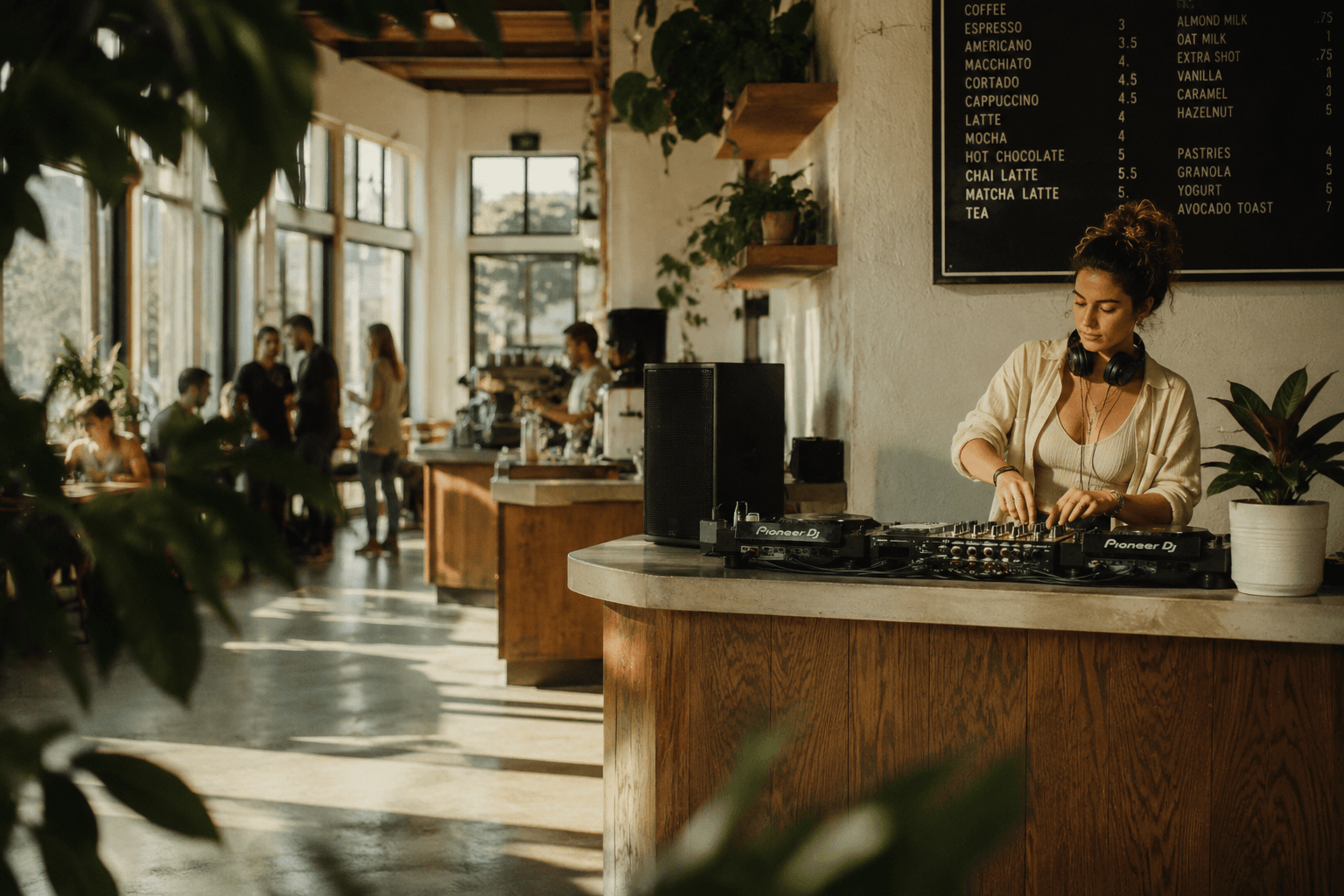
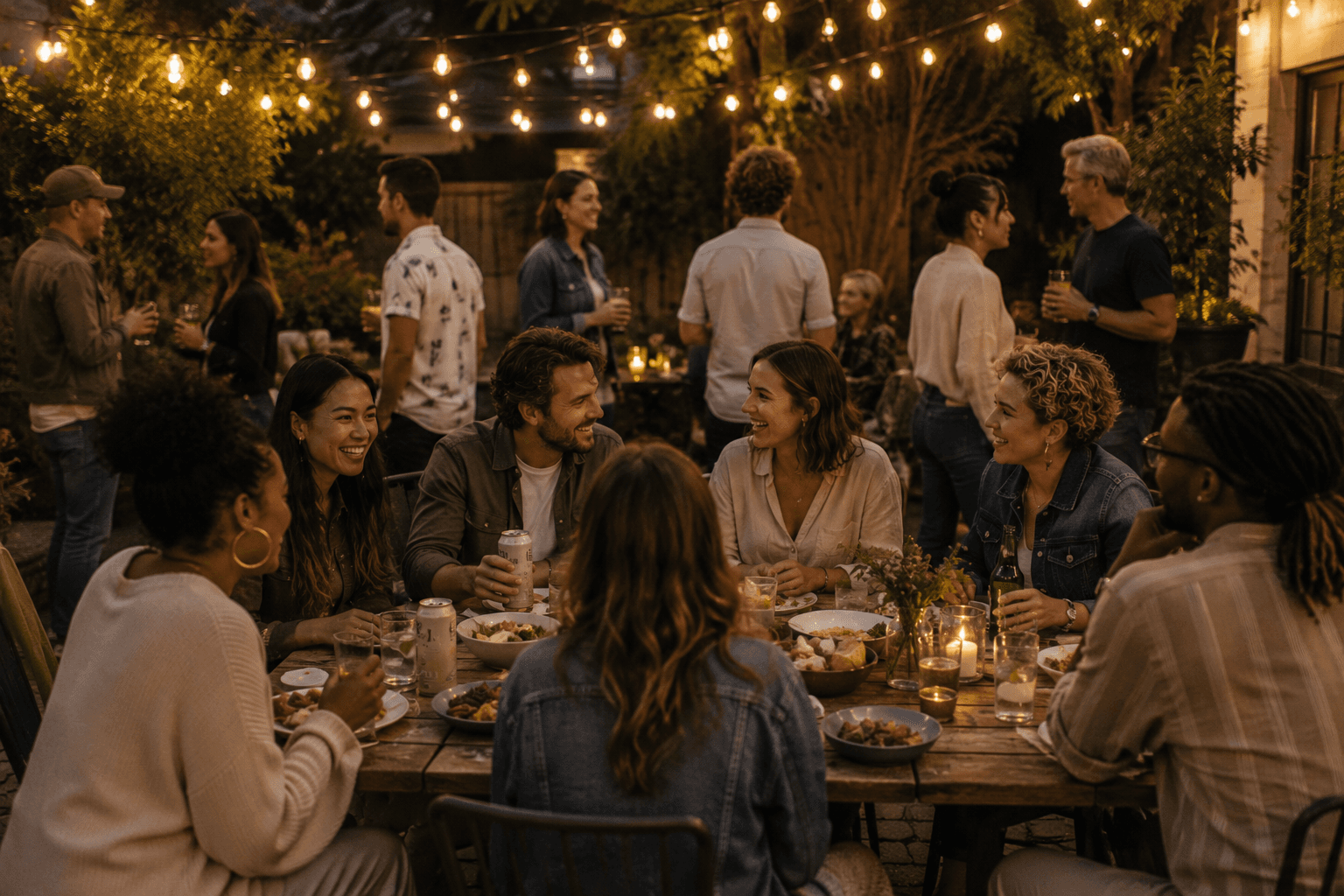
Coffee parties and daytime gatherings are attracting people who want social connection without a late night built around drinking.
Restaurants and beverage companies are putting more thought into alcohol-free choices.
And millions of people are simply becoming more comfortable saying:
Not tonight.
Without needing a dramatic reason afterward.
So, Is Drinking Less Becoming the New Normal?
We don't know yet.
And that's important to say.
The United States reaching a record-low drinking rate does not prove Canada is changing for the same reasons.
Declining Canadian alcohol sales do not tell us what will happen throughout Europe.
Young Australians drinking differently doesn't mean older generations behave the same way.
And growth in alcohol-free beer doesn't mean regular beer is disappearing.
These are different datasets measuring different things in different places.
But put them next to one another and they raise an interesting question.
What if the larger change isn't that the world is becoming sober?
What if it's that the world is becoming less automatic about alcohol?
Drink.
Don't drink.
Drink less.
Take a break.
Order something different.
Stop completely.
More people appear to be giving themselves permission to decide.
And perhaps that's why this moment feels different.
Alcohol isn't disappearing. The expectation that everyone needs it might be.
Frequently Asked Questions
Are people drinking less alcohol around the world?
There is no single worldwide trend that applies equally to every country. Recent data show record-low drinking participation in the United States, four consecutive years of declining alcohol sales volume in Canada, and long-term changes among younger Australians. Europe, however, remains the world's highest-consuming WHO region for alcohol.
What percentage of Americans drink alcohol in 2026?
Gallup reports that 54% of U.S. adults say they drink alcohol. That matches the record low measured in 2025 and is the lowest percentage in Gallup's trend dating to 1939.
Is alcohol consumption declining in Canada?
Alcohol sales by volume declined 3.0% in Canada during 2024/2025, according to Statistics Canada. It was the fourth consecutive annual decline in alcohol sales volume. Canadians of legal drinking age purchased the equivalent of 8.0 standard alcoholic beverages per week, compared with 9.7 a decade earlier.
Are young Australians drinking less alcohol?
Australian government data show substantial long-term changes among young people. The proportion of 18-to-24-year-olds abstaining from alcohol increased from 13.1% in 2007 to 23% in 2022/2023, although risky drinking remains a concern among young adults.
Is alcohol consumption declining in Europe?
The picture is complicated. The WHO European Region remains the world's highest-consuming WHO region for alcohol, and WHO says there has been little or no progress in reducing overall alcohol consumption and related harm. At the same time, alcohol-free beverage categories are growing within established European drinking cultures.
Are nonalcoholic drinks becoming more popular?
There are several signs that alcohol-free alternatives are becoming more common. Gallup found that 17% of Americans have substituted a nonalcoholic beverage for alcohol, while Carlsberg reported 11% organic volume growth in its alcohol-free brews during the first half of 2026.
Why are people drinking less alcohol?
There is no single explanation that applies to every person or country. Changing health attitudes, generational habits, expanding alcohol-free options, changing social norms and greater interest in moderation may all play a role. The available data show changing behavior, but they do not prove one universal cause.