News & Research
The Wine Industry Is Changing. Here's Why That Matters for Your Sobriety.
Traditional wine sales continue to soften while alcohol-free alternatives grow. Here's what that shift says about culture and why you may be less alone than you think.

For years, choosing not to drink could feel like swimming against the current.
If you skipped wine at dinner, declined a cocktail at a wedding, or ordered sparkling water at happy hour, it sometimes felt like everyone noticed.
That feeling is slowly beginning to change.
Recent industry reporting shows that the wine market remains soft while demand for alcohol-free alternatives continues to grow. Wineries and beverage companies are paying closer attention to changing consumer habits and a broader interest in moderation.
At first glance, that sounds like business news.
But for millions of people trying to drink less or stop drinking altogether, it represents something much bigger.
Culture is changing. And that change can make your journey feel a little less lonely.
More People Are Rethinking Their Relationship With Alcohol
This isn't just about people quitting drinking forever.
Many are simply asking different questions.
- Do I actually want a drink tonight?
- How does alcohol make me feel tomorrow?
- Can I still enjoy this dinner without wine?
Health, better sleep, mental clarity, financial considerations, and changing social norms are all contributing to a broader moderation movement.
That shift doesn't erase the challenges of recovery. But it does mean the world around you is becoming a little more understanding.
Even Wineries Are Paying Attention
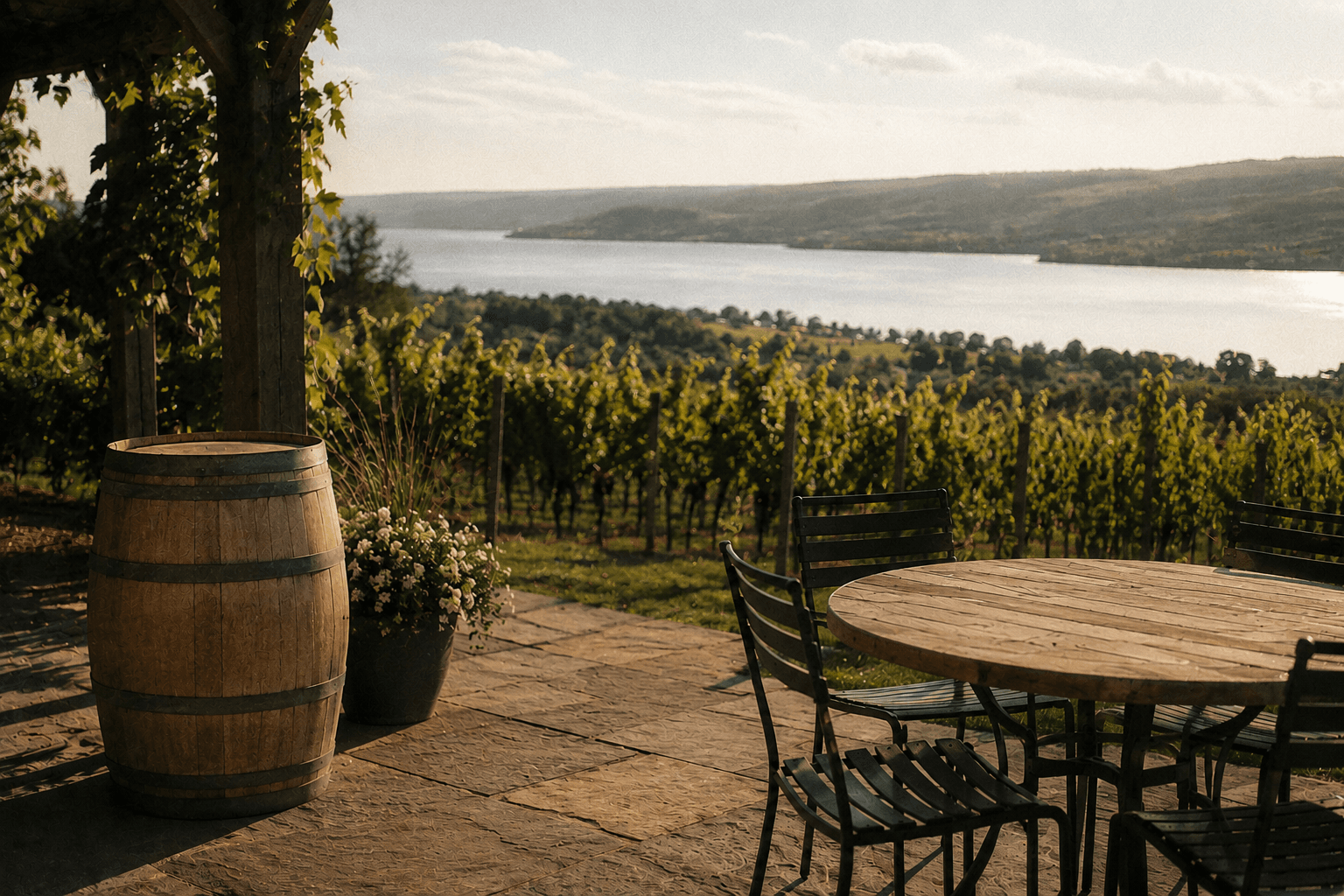
One of the more surprising developments isn't happening in recovery communities. It's happening inside the wine industry itself.
Producers are increasingly watching the alcohol-free market as consumer preferences evolve. Some see it as a new opportunity. Others see it as part of adapting to a changing market.
Whether someone chooses alcohol-free wine or never drinks it at all isn't the important part.
The important part is what the trend represents.
People want more choices than they had ten years ago.
Sobriety Is Becoming More Visible
There was a time when finding a non-alcoholic option at a restaurant felt almost impossible.
Today, it's increasingly common to see:
- Alcohol-free beers
- Zero-proof cocktails
- Alcohol-free sparkling wine
- Dedicated mocktail menus
- Restaurants promoting alcohol-free pairings
That's not happening by accident. The growing variety reflects changing consumer behavior, not just among people in recovery, but among those who simply want to drink less.
This Doesn't Mean Recovery Is Easy
It's important to separate two ideas.
A changing culture doesn't automatically make sobriety easier.
There will still be weddings. Holidays. Work parties. Stressful weeks. Unexpected cravings.
Recovery is still deeply personal.
But every time society becomes a little more accepting of alcohol-free choices, one unnecessary obstacle disappears.
What This Means for Someone Just Starting
If you're early in your journey, it can feel like you're giving something up while everyone else keeps living the same life.
The reality may be different.
Many of the people around you may also be questioning their relationship with alcohol.
- Some are taking breaks.
- Some are drinking less.
- Some are sober curious.
- Some are quietly choosing not to drink for health reasons.
You simply notice it more once you're paying attention.
The Bigger Picture
For decades, alcohol was treated as the default.
Celebrations. Networking. Vacations. Date nights. Sporting events.
It was simply expected.
Today, expectations are changing.
Not because people are being told what to do, but because they're deciding for themselves what makes them feel their best.
That cultural shift won't solve everything. But it creates more space for people to make healthier choices without feeling like outsiders.

Continue reading
Heading to a celebration where drinking will be part of the atmosphere?
Your Choice Doesn't Need Validation
You don't need declining wine sales to justify your decision.
You don't need a trend. You don't need statistics.
If alcohol no longer serves your life, that's reason enough.
The headlines simply remind us of something encouraging: more people are asking the same questions you once asked.
And that means fewer people may have to walk this path feeling completely alone.
Frequently Asked Questions
Are wine sales really declining?
Industry reporting continues to describe a soft wine market and changing consumer demand. The picture varies by producer and region, but the broader U.S. wine industry is clearly adapting to shifts in how people buy and consume wine.
Why are younger people drinking less?
There isn't one single reason. Health, wellness, sleep, mental clarity, cost, social habits, and changing attitudes toward alcohol can all influence drinking behavior.
Does this mean everyone is becoming sober?
No. Many people are simply drinking less often or choosing alcohol-free options in certain situations. Moderation and sobriety exist on a spectrum, and everyone's journey is different.
Does a growing alcohol-free market help people in recovery?
For some people, having more alcohol-free options can reduce the feeling of standing out in social situations. Recovery still requires personal commitment, but broader acceptance can make everyday moments feel a little easier.