
Sobriety & Life
Why Do I Want to Drink When Nothing Is Wrong?
You had a good day. You're not stressed, angry, or upset. So why does a drink suddenly sound so good? Sometimes the craving isn't about what's wrong. It's about what usually comes next.

There are alcohol cravings that make sense.
You had a terrible day.
Work was awful. You're stressed. You're pissed off. Something happened with your family. You didn't sleep. You're anxious.
Then the thought shows up:
A drink would be nice right now.
You can connect those dots pretty easily.
But there was another kind of craving that confused me a lot more.
Nothing was wrong.
Actually, everything was pretty good.
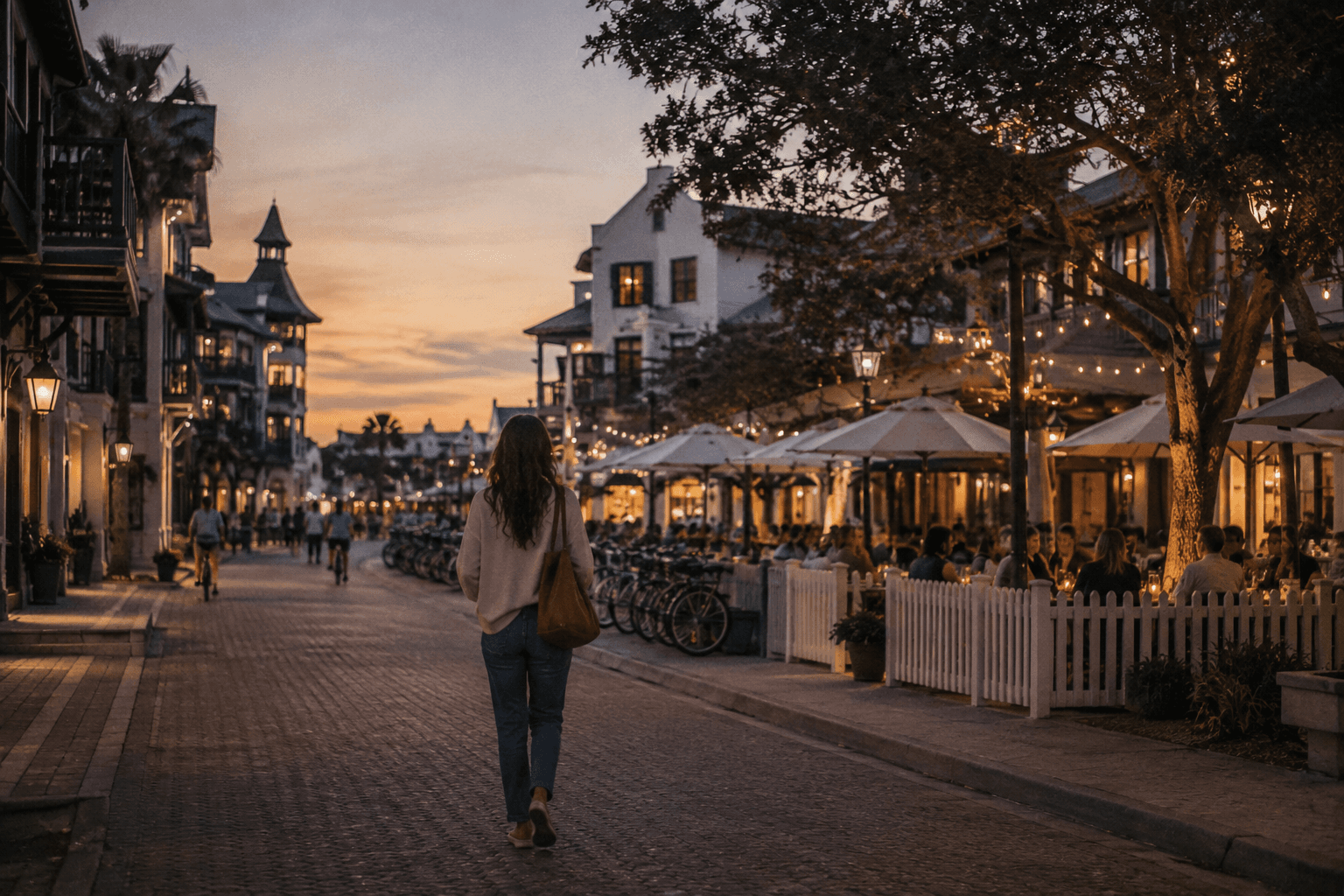
It was Friday. Work was done. The weather was beautiful. Maybe I had just finished something around the house. Dinner was coming. The sun was getting lower.
And suddenly:
A drink would be really nice right now.
That's when I'd think:
Why the hell do I want a drink? I'm fine.
Turns out, I'm fine might have been part of the answer.
Not Every Alcohol Trigger Feels Bad
We talk a lot about drinking when things go wrong.
Stress. Anxiety. Loneliness. Anger. Bad days.
Those are real triggers.
But they're not the only ones.
The National Institute on Alcohol Abuse and Alcoholism describes two broad kinds of triggers for urges to drink.
External triggers can be people, places, things, or even particular times of day. Internal triggers can include thoughts, physical sensations, negative emotions, and positive emotions like excitement.
That last part matters.
Because sometimes you don't want a drink because you're trying to escape the evening.
Sometimes you want one because you've taught yourself that this is the kind of evening when you drink.
- Friday at five.
- Grilling outside.
- Finishing the lawn.
- Sitting around a fire.
- The first warm afternoon after winter.
- Watching football.
- Going on vacation.
- Getting good news.
- Finishing a big project.
- Walking into your favorite restaurant.
Nothing bad happened.
Your brain just recognizes the scene.
I Know What Usually Comes Next
I think this is one of the most useful things I've learned about cravings:
Sometimes your brain isn't saying, “Something is wrong.” It's saying, “I know what usually comes next.”
Think about how many times you may have repeated the same sequence.
Finish mowing the lawn. Put everything away. Walk inside. Grab a beer.
Or:
Friday afternoon. Close the laptop. Change clothes. Pour a drink.
Or:
Arrive at the vacation house. Drop the bags. Open something.
Do that enough times and eventually the first part of the sequence can start reminding you of the second.
That's not just a metaphor.
NIAAA explains that repeated drinking can strengthen habits and change how a person responds to stimuli associated with alcohol. People, places, and other alcohol-related cues can eventually produce powerful urges to drink.
That doesn't mean everyone who experiences this has alcohol use disorder.
And it doesn't mean every random thought about alcohol needs to be dissected like a crime scene.
It simply means our brains are really good at learning routines.
Sometimes a little too good.

A Good Day Can Be a Trigger Too
This one surprised me.
We tend to think of cravings as something that happens when we're miserable.
But alcohol gets attached to celebration just as easily as it gets attached to stress.
Think about the language around drinking.
- Let's celebrate.
- We earned this.
- It's finally Friday.
- Beautiful night for a drink.
- We're on vacation.
- Cheers.
Alcohol doesn't only become associated with making bad things feel better.
It can become associated with making good things feel complete.
There's research behind this too. In a controlled study involving people with alcohol dependence, researchers found that positive stimuli commonly associated with drinking situations could increase craving even when alcohol cues themselves weren't present.
I love that finding because it explains something that can otherwise feel completely irrational.
You're sitting outside.
The temperature is perfect.
Music is playing somewhere.
Dinner smells good.
You feel relaxed.
Then the thought arrives.
A drink would make this perfect.
Maybe the evening didn't create a problem you needed alcohol to solve.
Maybe the evening itself became the cue.
Cravings Can Feel Like They Came From Nowhere
One of the frustrating things about an unexpected craving is how quickly it can appear.
You're not thinking about drinking.
Then suddenly you are.
NIAAA describes internal triggers as potentially being puzzling because an urge can seem to simply pop up. Looking more closely, however, the trigger may have been a thought, emotion, sensation, or something happening around you.
That changed the question for me.
Instead of only asking:
Why do I want a drink?
Try asking:
What was happening right before I wanted one?
That's a much more useful question.
- What time was it?
- Where were you?
- Who were you with?
- What were you doing?
- What had you just finished?
- Was it Friday?
- Was the weather beautiful?
- Were you cooking?
- Were you celebrating something?
- Were you bored?
- Were you excited?
- Did somebody else pour a drink?
- Did you just sit down after being busy all day?
You don't need to turn yourself into a research project.
Just get curious.
Because something that feels random the first time may not look very random after the fifth.

You Don't Have to Be Afraid of the Thought
This part matters.
Having the thought “I want a drink” doesn't mean you failed.
It doesn't erase yesterday.
It doesn't mean you're secretly unhappy.
And it doesn't automatically mean you're going to drink.
It's a thought. An urge. A familiar response.
NIAAA notes that urges are common when people change their drinking and that, with time and practice responding differently, they can lose strength.
I think there's something reassuring about understanding that.
Because otherwise an unexpected craving can become a second problem.
First:
I'd really like a beer.
Then:
Why do I want a beer?
Then:
Why am I still thinking about alcohol?
Then:
Is something wrong with me?
Now one passing thought has become an entire conversation in your head.
Sometimes you can just notice it.
Huh. There it is.
And keep going.
Break the Sequence, Not Your Entire Life
You don't necessarily need to avoid every situation that reminds you of drinking forever.
Maybe the thing you actually love isn't alcohol.
Maybe you genuinely love grilling outside.
Maybe you love football.
Maybe you love the lake.
Maybe you love sitting around a fire with friends.
Maybe you love Friday evening because you're finally done working.
Alcohol happened to get attached to those things.
That doesn't mean alcohol gets to keep them.
So instead of eliminating the entire experience, sometimes you can change one piece of the sequence.
- Finish mowing the lawn and take the dog for a walk.
- Close the laptop Friday afternoon and go get dinner somewhere.
- Grill outside with something else in your hand.
- Sit around the same fire.
- Watch the same game.
- Take the same vacation.
- Let the evening continue.
The goal isn't to make yourself unbelievably busy so you never have time to think about alcohol.
It's to start creating new experiences in familiar places.
Your Brain Can Learn Something New
If repeated experiences helped create the association, repeated new experiences can help change what those situations mean.
NIAAA's addiction framework describes alcohol-associated cues becoming increasingly important through learning and habit formation, while its guidance for managing urges emphasizes recognizing triggers and practicing new responses over time.
I think about that in much simpler terms.
The first beautiful Friday evening without alcohol may feel weird.
The second might too.
Eventually you've had ten of them.
Then twenty.
You've grilled dinner. You've watched the sunset. You've gone on vacation. You've celebrated birthdays. You've finished hard days and great days. You've sat around fires. You've watched football.
You've done all of it without automatically completing the old sequence.
You're giving yourself new evidence:
This can happen without alcohol too.
And eventually the new thing stops feeling like the new thing.
It just becomes Friday.
Maybe Nothing Is Wrong
This is the part I wish I'd understood sooner.
When a craving appears on a perfectly good day, the instinct can be to start looking for the problem.
- Am I stressed?
- Am I unhappy?
- Is sobriety not working?
- Do I secretly miss drinking?
Maybe.
Sometimes there really is something underneath the urge worth paying attention to.
But sometimes?
Maybe nothing is wrong.
Maybe it's 78 degrees outside.
Maybe it's Friday.
Maybe you just finished mowing the lawn.
Maybe the grill is going.
Maybe this exact combination of sights, smells, time, and feeling accompanied a drink hundreds of times before.
And your brain noticed.
That's all.
You don't have to panic about it.
You can notice it too.

The Evening Still Belongs to You
One thing I never wanted sobriety to become was a life built around avoiding life.
I didn't stop drinking because I wanted beautiful summer evenings to become dangerous.
I wanted them back.
I wanted mornings back.
I wanted weekends back.
I wanted vacations back.
I wanted to be able to have a good day without needing to turn it into a drinking day.
And that takes some repetition.
Sometimes an old association still taps you on the shoulder.
That's okay.
You don't have to follow it.
Let the grill smoke.
Let the music play.
Let the sun go down.
Let everybody laugh.
Let Friday be Friday.
The evening was never alcohol's in the first place.
It was always yours.
Continue reading
Sometimes removing alcohol leaves behind more empty space than you expected.
Frequently Asked Questions
Why am I craving alcohol when I'm not stressed?
Alcohol cravings aren't triggered only by stress or negative emotions. People, places, routines, times of day, positive emotions, and situations previously associated with drinking can also trigger an urge. Sometimes the situation itself has become a learned cue.
Can being happy trigger an alcohol craving?
It can. NIAAA includes positive emotions such as excitement among possible internal triggers for urges to drink, and research has found that positive stimuli associated with drinking situations can increase craving in people with alcohol dependence.
Why do alcohol cravings seem to come out of nowhere?
The trigger may be subtle. A particular time, place, activity, thought, emotion, physical sensation, or familiar routine can prompt an urge before you consciously recognize the connection. Pausing to notice what happened immediately beforehand can sometimes reveal a pattern.
Does craving alcohol mean I'm going to drink?
No. Experiencing an urge isn't the same as acting on it. Urges can be a normal part of changing drinking behavior, and practicing different responses over time can make them easier to manage.
What should I do when an unexpected alcohol craving happens?
Start by recognizing the urge and considering what may have triggered it. Changing the immediate routine, doing something else you enjoy, talking with someone you trust, reminding yourself why you're changing your drinking, or simply giving the urge time to pass may help. If cravings are intense, persistent, or difficult to manage, consider talking with a healthcare professional.