Sobriety & Life
When You Stop Drinking, Where Do You Go?
When drinking disappears from your social life, something else has to fill the space. Here's how to find connection, community, and places that feel like yours.

There is a strange part of drinking less that nobody really prepares you for.
You know you're changing what goes into your glass.
You expect certain evenings to feel different.
You might even expect some friendships to change.
What you may not expect is how many places in your life were quietly organized around alcohol.
Friday night at the bar. Drinks after work. Wine with dinner. A brewery on Saturday afternoon. Cocktails before the concert.
For generations, alcohol hasn't simply been something people consumed.
It has been somewhere people went.
And as more Americans begin drinking less, we're starting to confront an interesting question.
If we're spending less time drinking together, where do we go instead?
Americans Really Are Drinking Less
This isn't just something happening in sober communities. American drinking habits are changing.
Gallup's latest long-term data found that 54% of U.S. adults reported drinking alcohol in 2025, down from 62% just two years earlier and the lowest level recorded in Gallup's nearly nine decades of tracking American drinking habits.
The shift is especially noticeable among younger adults.
Meanwhile, the way Americans think about alcohol is changing too. For the first time in Gallup's polling, a majority said they believe moderate drinking is bad for health.
Those numbers tell us something important. Choosing not to drink is becoming less unusual.
But removing alcohol is only half of the story. We still need somewhere to belong.
The Bar Was Never Just About the Drinks
Think about your favorite neighborhood bar. Even if you don't miss drinking, you might understand why people love being there.
You walk in. Someone recognizes you. There are familiar faces. Someone asks how work is going.
You sit next to somebody you've never met. A conversation starts without being scheduled three weeks in advance.
Sociologists sometimes describe places like these as "third places."
Home is your first place. Work is your second. Third places are the informal spaces where people simply spend time around other people.
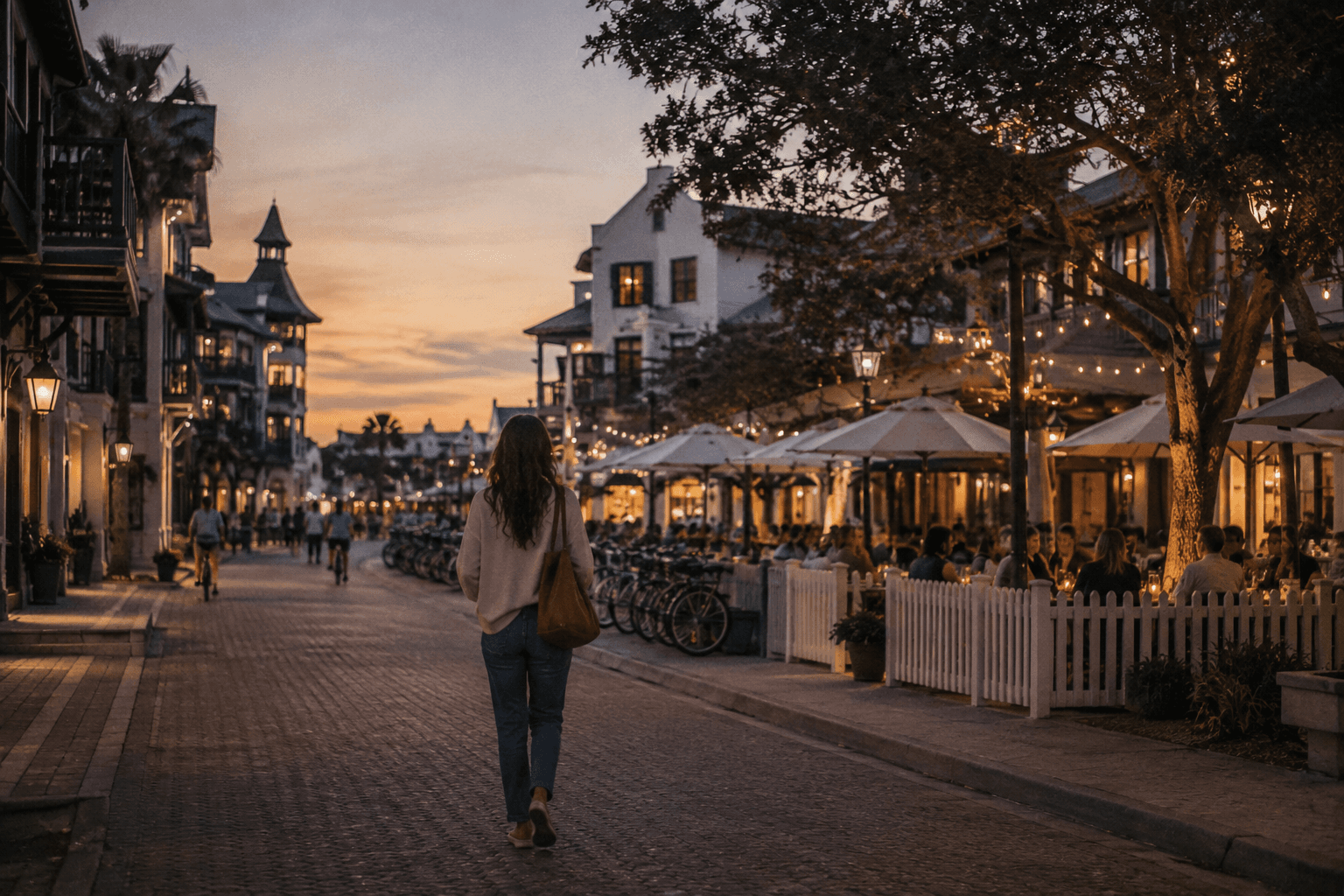
For generations, bars and pubs filled that role remarkably well.
And that's where the conversation around declining alcohol consumption becomes more complicated.
Maybe people don't miss alcohol.
But they can still miss the place.
The Quiet Side of Early Sobriety
This can be especially noticeable when you first stop drinking.
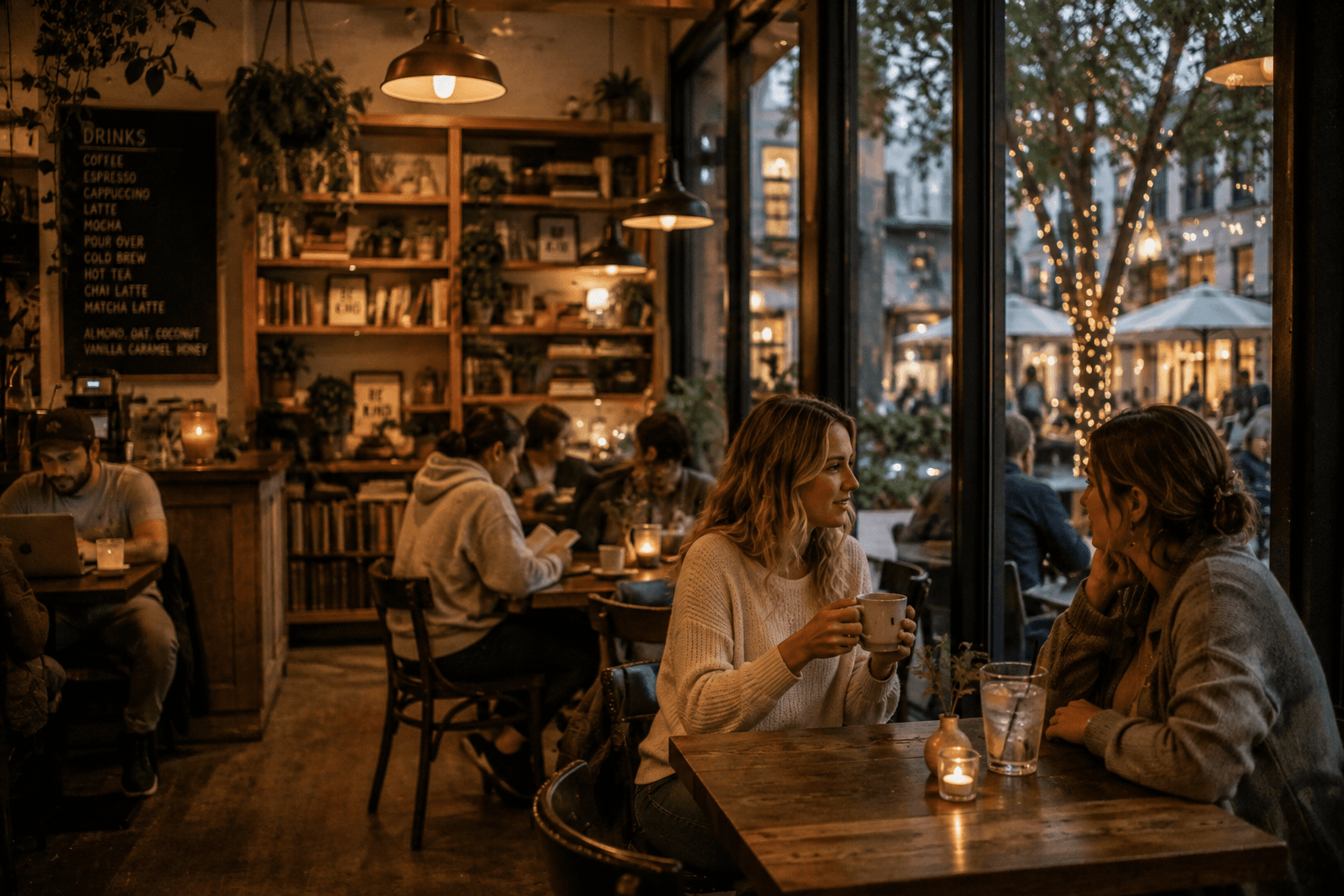
Suddenly Friday night arrives and you don't know what to do with it. Your friends are going somewhere you aren't sure you want to be.
You stay home.
At first, the quiet can feel wonderful. Then sometimes it just feels quiet.
That's an important distinction. Peace and isolation can look surprisingly similar from the outside.
There is absolutely nothing wrong with spending an evening at home. Some of the best parts of sobriety can be rediscovering slow mornings, peaceful evenings, books, movies, hobbies, family, pets, exercise, or simply being comfortable with yourself.
But human beings still need connection. Sobriety shouldn't require disappearing from the world.
Something Interesting Is Beginning to Replace the Bar
Look around and you'll notice new kinds of social spaces appearing.
- Morning run clubs
- Coffee shops staying open later
- Pickleball groups
- Book clubs
- Fitness communities
- Alcohol-free events
- Community markets
- Group walks
- Restaurants creating thoughtful zero-proof menus
Recent reporting on America's changing drinking habits has highlighted this exact transition: as traditional drinking occasions decline, people are experimenting with new ways to create the casual social connection that bars once provided.
None of these things individually replaces the neighborhood bar.
Maybe they don't need to. Maybe we're simply building more choices.

You Don't Have to Become a Different Person
There's another misconception worth letting go of.
Stopping drinking doesn't mean you suddenly need to become someone who wakes up at 5:00 a.m., runs six miles, drinks green juice, meditates for an hour, and joins three clubs.
If that's genuinely you, wonderful. If it isn't, that's wonderful too.
Your alcohol-free life doesn't have to become a performance of wellness.
Maybe your new Friday night is dinner somewhere you love. Maybe it's taking your dog for a long walk. Maybe you photograph sunsets.
Maybe you work on something you've always wanted to build. Maybe you meet one friend for coffee instead of ten people for drinks.
Maybe you still go to the same restaurant and simply order something different.
The goal isn't to replace drinking with constant productivity.
It's to discover what you actually enjoy when alcohol is no longer deciding the itinerary.
You Can Still Go to the Places You Used to Love
Sobriety doesn't automatically mean bars, restaurants, concerts, weddings, sporting events, or breweries become forbidden territory.
For some people, especially early on, avoiding certain environments can make things considerably easier.
For others, those environments aren't particularly triggering. Both can be true.
You get to decide.
The important question isn't:
Are sober people supposed to go here?
It's:
How does being here make me feel?
If you're spending the entire evening fighting an internal battle, leaving isn't failure.
If you're laughing with friends and barely thinking about alcohol, you don't need to leave simply because someone else thinks sober people shouldn't be there.
Learning the difference is part of learning yourself.
Continue reading
Heading to a wedding or celebration where alcohol will be part of the atmosphere?
Friendship Can Change Too
Sometimes the hardest part isn't finding somewhere new to go. It's wondering whether the same people will come with you.
You may discover that certain friendships were largely built around drinking. That realization can hurt.
But you may also be surprised. The friend you always met for beers might happily meet you for breakfast.
The couple you drank wine with might be perfectly content ordering dinner without it.
Someone you assumed would question your decision might quietly tell you they've been thinking about cutting back too.
Give people an opportunity to know this version of you.
Some relationships will change. Others may become deeper.
Learn to Become a Regular Somewhere Again
There's something wonderfully simple about being recognized.
You don't need fifty friends. Sometimes you just need places where your presence isn't anonymous.
- Find a coffee shop you love.
- Walk the same neighborhood route.
- Join something that meets regularly.
- Visit the same farmers market.
- Take a class.
- Go to the same gym.
- Volunteer.
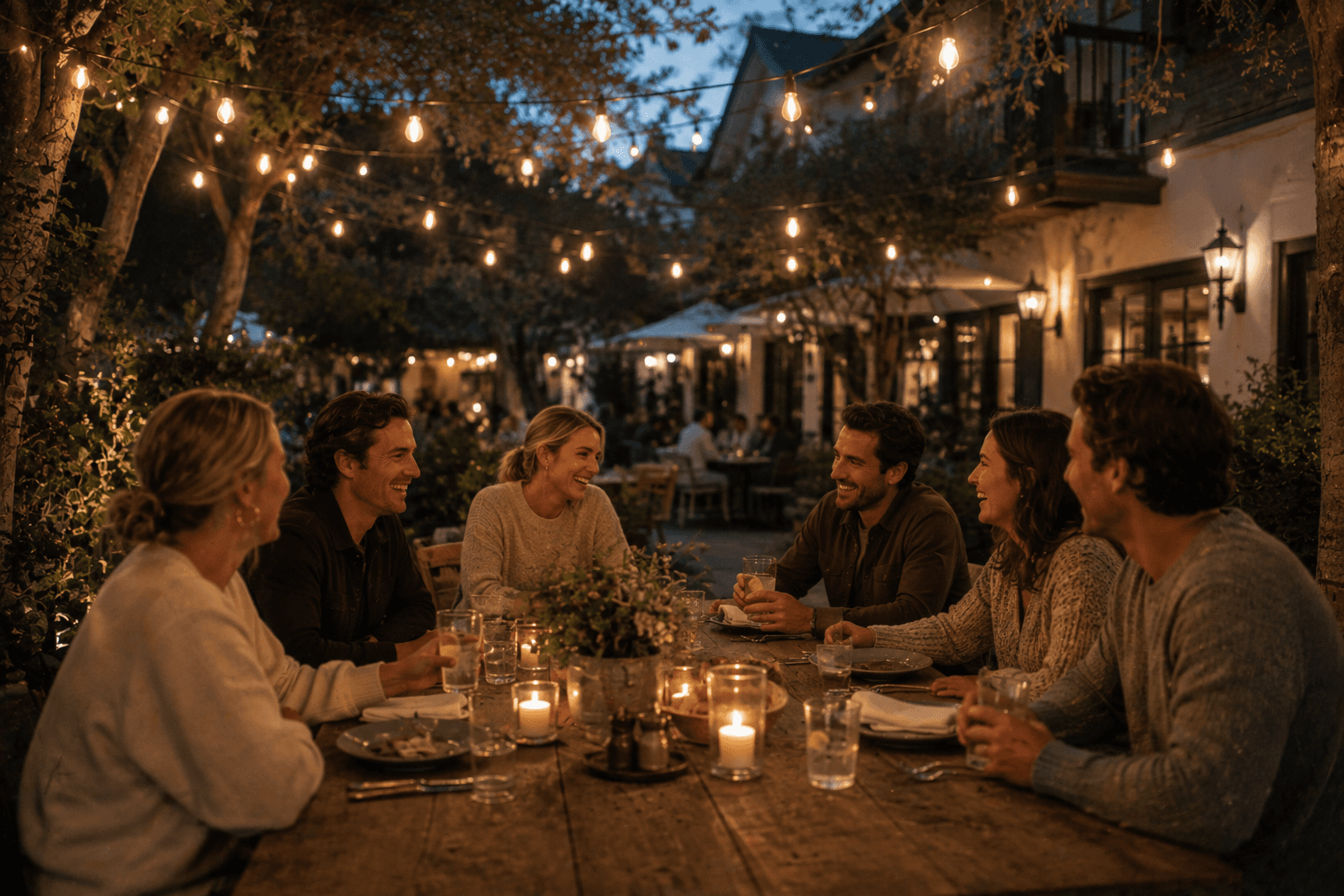
- Bring your laptop to the same little café.
Become familiar.
Connection often doesn't arrive dramatically. It happens because you showed up Tuesday. And then you showed up again Thursday.
And eventually someone knows your name.
What If You're an Introvert?
You don't need a giant social calendar to have meaningful connection.
And you don't need to transform yourself into the loudest person in the room just because you're no longer drinking.
For an introvert, connection might mean one meaningful conversation instead of an entire night surrounded by people.
It might mean an online community. A weekly breakfast. A walk with someone you trust. A familiar coffee shop where nobody expects anything from you.
The goal isn't to become more social.
It's to become less alone. There's a difference.
Building a Life You Don't Need to Escape From
Eventually, something begins to change.
You stop asking:
What am I supposed to do instead of drinking?
And start asking:
What do I actually want to do?
That's a much more interesting question. Because sobriety isn't supposed to be an endless exercise in avoiding something.
It's an opportunity to add things back.
- Time
- Mornings
- Hobbies
- Conversations
- Relationships
- Curiosity
- Places
- Memories
You aren't simply removing alcohol from your old life.
You're discovering what you want the rest of it to look like.
Frequently Asked Questions
Is it normal to feel lonely after quitting drinking?
Yes. Drinking is often connected to social routines, friendships, restaurants, bars, celebrations, and weekends. Changing those routines can temporarily create empty spaces in your schedule. Building new routines and maintaining meaningful connection can help those spaces begin to feel like opportunities rather than losses.
Do I have to stop going to bars when I quit drinking?
Not necessarily. Some people find bars triggering, particularly early in sobriety, while others are comfortable being around alcohol. Pay attention to how the environment affects you rather than following someone else's rule about where you should or shouldn't go.
How do you make friends without drinking?
Start with activities that naturally put the same people together repeatedly: classes, fitness groups, volunteering, hobbies, coffee shops, community events, sports, or online communities. Friendship often develops through familiarity rather than one big social moment.
What can I do on weekends instead of drinking?
There isn't one correct sober weekend. Try restaurants, day trips, exercise, live music, outdoor activities, movies, cooking, hobbies, photography, coffee shops, markets, volunteering, time with family, or simply enjoying a quiet night at home. The goal is finding what genuinely feels good to you.
Is drinking really becoming less common?
Yes. Gallup reported that 54% of U.S. adults said they drank alcohol in 2025, its lowest recorded rate in nearly 90 years of tracking the question. Younger adults have been particularly important to the broader decline.
A Quiet Moment
You don't have to replace every place drinking used to occupy. Leave a little empty space. You might be surprised by what eventually grows there.
Finding Connection on Your Own Terms
Changing your relationship with alcohol can sometimes change your relationship with everything around it.
Nova was built for those moments too.
Whether you need someone to talk to, help preparing for a social situation, a place to reflect privately, or simply a community where you don't have to explain why you're choosing differently, Nova is there to help you figure out what comes next.
Not someone else's version of sobriety.
Yours.