Sobriety & Wellness
Why Does Sleep Get Weird When You Stop Drinking?
You stopped drinking and expected to sleep better. Instead, you're awake at 3 a.m. Here's why sleep can feel strange after quitting alcohol and what may help.

You stop drinking.
You expect to sleep better.
And then, strangely, you don't.
Maybe you fall asleep just fine but wake up a few hours later. Maybe you're exhausted all day and somehow completely awake once your head hits the pillow.
Maybe you start having incredibly vivid dreams.
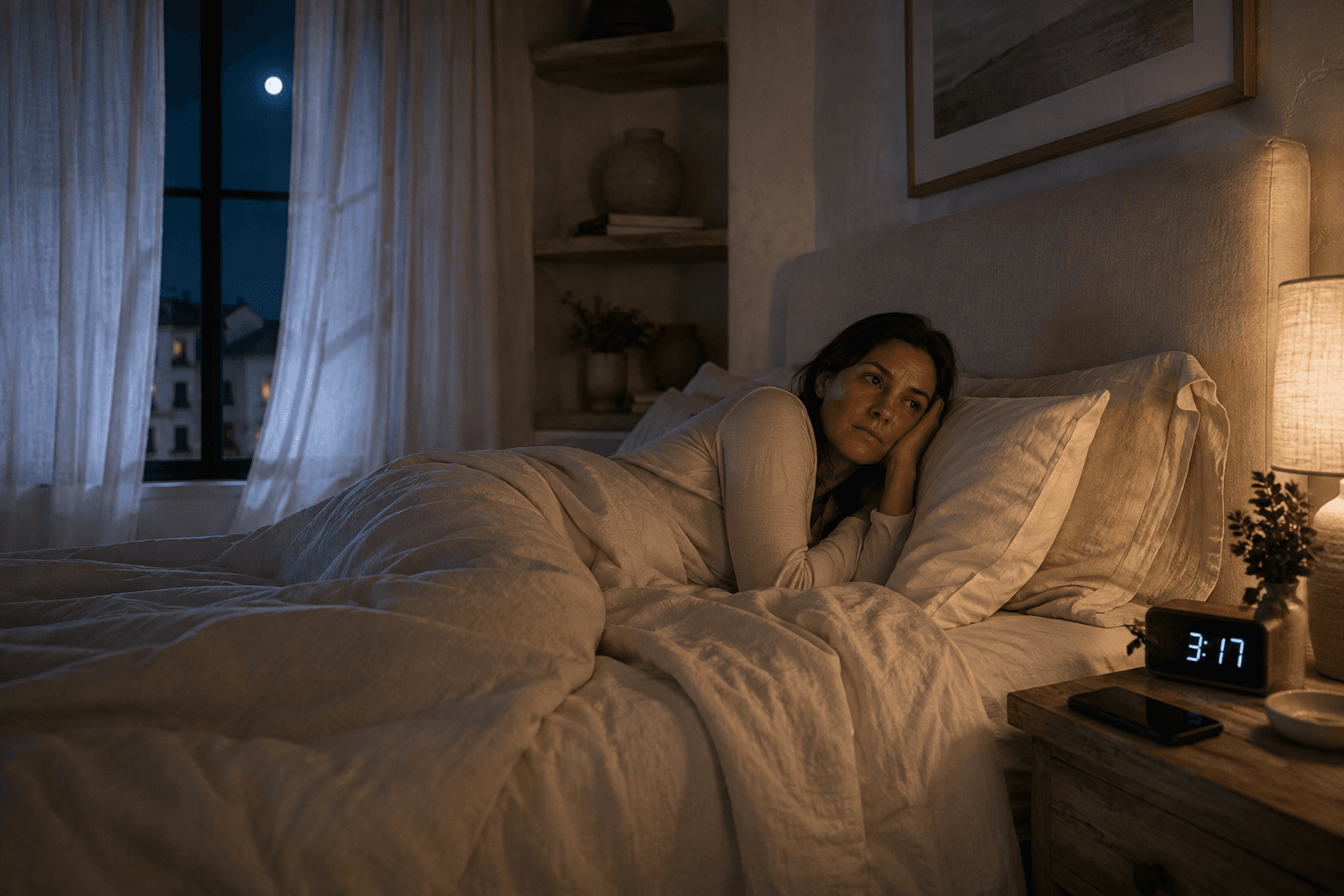
Or maybe you're simply lying there at 3 a.m. wondering:
Wasn't quitting alcohol supposed to make me sleep better?
If you've experienced trouble sleeping after quitting alcohol or significantly cutting back, you're not imagining it.
Sleep can get strange when your relationship with alcohol changes.
And understanding why starts with something alcohol is particularly good at disguising:
Falling asleep easily and sleeping well aren't the same thing.
Alcohol Can Make You Sleepy Without Giving You Good Sleep
This is one reason the experience can feel so confusing.
Alcohol has sedative effects. Drink in the evening and you may feel relaxed, drowsy, and ready for bed.
That can create a convincing association:
Alcohol helps me sleep.
But researchers looking at what happens after you fall asleep tell a more complicated story.
A systematic review and meta-analysis published in Sleep Medicine Reviews examined 27 studies on alcohol and nighttime sleep. Researchers found that alcohol altered normal sleep architecture, including delaying the onset of rapid eye movement, or REM, sleep and reducing the amount of REM sleep people received.
REM disruption was observed even following relatively low doses of alcohol, approximately two standard drinks in the analysis, and the disruption became greater as alcohol intake increased.
Higher doses of alcohol could shorten the time it took to fall asleep, but researchers found that this came alongside greater disruption of REM sleep later in the night.
So yes, alcohol may sometimes make falling asleep feel easier.
But getting to sleep is only the beginning of what your brain is supposed to accomplish overnight.
What Alcohol Does to REM Sleep
Sleep isn't one continuous state. Your brain moves through different stages throughout the night, and those stages serve different functions.
REM sleep is the stage most strongly associated with vivid dreaming and plays important roles in normal brain function.
The National Institute on Alcohol Abuse and Alcoholism notes that even moderate doses of alcohol can alter sleep physiology, including reducing the duration of REM sleep. Alcohol can also aggravate sleep-disordered breathing and other nighttime disturbances.
That means the drink that seemed to send you peacefully to sleep may have been changing what happened after you closed your eyes.
Then you remove the alcohol.
And your body has to adjust.
Why Can Sleep Feel Worse After Quitting Alcohol?
This is the part people don't always expect.
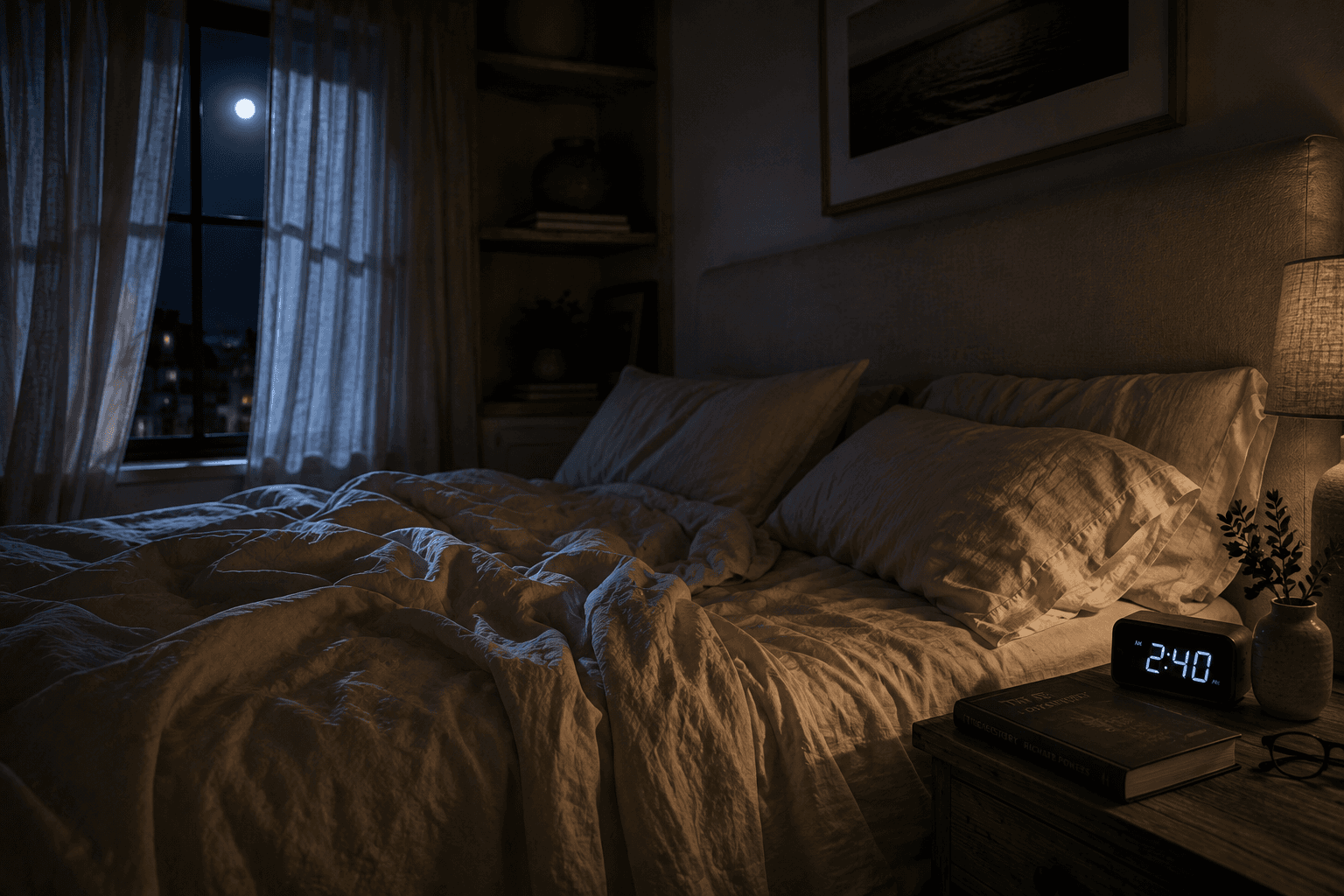
You remove something known to interfere with sleep, and sometimes sleep doesn't immediately become wonderful.
For people who have been drinking heavily or have alcohol use disorder, sleep disturbance is a recognized part of alcohol withdrawal and recovery. NIAAA lists insomnia among the symptoms that can occur during alcohol withdrawal.
Sleep problems can also continue beyond the first few nights.
NIAAA notes that some alcohol-related alterations in sleep may recover only after 30 or more days of abstinence.
That doesn't mean everyone who quits or cuts back will have trouble sleeping.
It also doesn't mean every bad night after quitting is caused by alcohol.
Sleep is affected by stress, routines, health conditions, medications, environment, and plenty of other factors.
But if you've been wondering why removing something that supposedly ruins sleep somehow left you staring at the ceiling, there can be a real explanation.
What About Vivid Dreams After Quitting Drinking?
For some people, this is the really strange part.
The dreams.
Suddenly they're elaborate. Emotional. Intense.
Sometimes they're about drinking. Sometimes they're about absolutely ridiculous things. And sometimes they're so realistic that waking up requires a few seconds of figuring out what actually happened.
Because alcohol can alter REM sleep, changes in sleep after quitting may also change how dreaming feels. But dream experiences vary considerably from person to person, and there isn't one type of dream or timeline everyone should expect.
What matters is that an unusual night doesn't automatically mean something is going wrong.
Your relationship with sleep is changing at the same time as your relationship with alcohol.
That can take some adjustment.
The 3 A.M. Trap
Three in the morning is a terrible time to evaluate your life decisions.
You're exhausted. You're frustrated. Tomorrow suddenly feels impossible.
And your brain remembers something:
You know what used to make you sleepy?
That's where a bad night can turn into a negotiation.
Maybe I actually slept better when I drank. Maybe one would help. Maybe quitting is making everything worse.
This is worth recognizing for what it is.
Sleep problems deserve attention during recovery. Research has repeatedly found insomnia to be common among people with alcohol use disorder, and improving insomnia is considered a worthwhile treatment target rather than something people simply have to tolerate.
That doesn't mean a sleepless night is going to make you drink.
It means sleep deserves more respect in recovery than we sometimes give it.
Continue reading
If your evenings suddenly feel empty without alcohol, you're not the only one.
Don't Judge Sobriety by One Bad Night
This may be the most important thing to remember.
You aren't comparing two equal situations.
You're comparing a routine your body may have known for years with one it has barely had time to learn.
Alcohol may have made falling asleep feel easier.
That doesn't necessarily mean it was giving you better sleep.
And removing alcohol doesn't mean your body owes you eight uninterrupted hours by Tuesday.
Recovery isn't always immediate.
Sometimes feeling better begins with your body learning how to do ordinary things without alcohol again.
- Eating.
- Relaxing.
- Socializing.
- Handling stress.
- Having fun.
- And yes, sleeping.
Give Your Evenings a Chance to Become Yours
You don't need to create an elaborate twelve-step nighttime routine.
Start smaller.
- Dim the lights.
- Read something.
- Take a shower.
- Put the phone down earlier.
- Watch the show you keep saying you're going to watch.
- Keep your bedroom comfortable and dark.
- Try going to bed and waking up around the same time.
And perhaps most importantly, don't panic because tonight wasn't perfect.

What If Sleep Still Isn't Getting Better?
If insomnia continues or is significantly affecting your life, it's worth talking with a healthcare professional.
One treatment you may hear about is cognitive behavioral therapy for insomnia, commonly called CBT-I.
A 2025 systematic review and meta-analysis of eight randomized controlled trials involving 426 adults found that CBT-I produced a substantial reduction in insomnia severity among people across the spectrum of alcohol use disorder. Improvements were maintained at follow-up.
The review did not find significant differences in alcohol-related outcomes, so CBT-I shouldn't be presented as a treatment for drinking itself.
It does tell us something important, though:
You don't necessarily have to just live with bad sleep.
Getting help with sleep isn't somehow separate from taking care of your recovery.
It can be part of it.
Then One Morning, Something Changes
There may not be a dramatic moment.
You don't wake up while inspirational music plays in the background.
You just open your eyes.
Morning light is coming through the window. Your alarm hasn't gone off yet.
And you realize you slept.
Actually slept.
Maybe not perfectly. Maybe not for eight hours.
But you went to bed without drinking, your body carried you through the night, and now there's another morning waiting for you.

That's one of the strange things about recovery.
Some of the victories eventually become so ordinary that you stop recognizing them as victories.
A quiet evening.
A good night's sleep.
A clear morning.
Things that once felt surprisingly difficult eventually just become...
Life.
Frequently Asked Questions
Is it normal to have trouble sleeping after quitting alcohol?
Sleep disturbance can occur after stopping alcohol, particularly among people who drank heavily or have alcohol use disorder. Insomnia is a recognized alcohol withdrawal symptom, and some alcohol-related changes in sleep can take weeks to improve. Not everyone experiences this, and persistent sleep problems can have other causes.
How long does insomnia last after quitting alcohol?
There is no universal timeline. NIAAA notes that some alcohol-related sleep changes may take 30 days or longer to recover, particularly in people with alcohol use disorder. Drinking history, overall health, stress, other sleep disorders, medications, and individual differences can all affect recovery.
Does alcohol actually help you sleep?
Alcohol can make some people feel sleepy and higher doses may shorten the time it takes to fall asleep. However, research shows that alcohol can disrupt normal sleep architecture, including delaying and reducing REM sleep. Falling asleep faster does not necessarily mean getting better-quality sleep.
Why am I having vivid dreams after quitting alcohol?
Alcohol can alter REM sleep, the stage strongly associated with vivid dreaming. Changes in sleep after quitting may therefore change how dreams feel or how well you remember them. Dream experiences vary widely, so there is no single pattern everyone should expect.
When should I get help for sleep problems after quitting alcohol?
Consider talking with a healthcare professional if insomnia is persistent, severe, or interfering with daytime life. If you have been drinking heavily and suddenly stop, alcohol withdrawal can sometimes be dangerous. Severe confusion, hallucinations, or seizures require urgent medical care.