News & Research
Can Cutting Back on Alcohol Lower Your Blood Pressure?
The strongest improvements in alcohol-reduction trials appeared among people drinking more at the start. Here is what those averages mean, and what one home reading cannot tell you.

A blood pressure reading can change the tone of an ordinary appointment. You went in for something routine. Now you’re looking at two numbers and wondering what, if anything, to do differently before the next visit.
If alcohol is part of your week, it belongs in that conversation. Cutting back can lower blood pressure, with the clearest improvements in reduction trials among people who were drinking more to begin with. It is one possible part of treatment, not a promise that a particular number of alcohol-free days will fix a reading.
The useful question is less “How many points will I lose?” and more “Could drinking less help, and how will we know?”
What Changed When People Drank Less?
A 2017 Lancet Public Health review combined 36 trials involving 2,865 people. Among participants initially drinking at least six research drinks daily, roughly halving intake was associated with average reductions of 5.5 mm Hg systolic (top number) and 4 mm Hg diastolic (bottom number).
There is an important unit tucked into that result. The review used 12 grams of alcohol per drink, while a U.S. standard drink contains 14 grams. Those research categories do not translate directly into a count of glasses at dinner.
Most participants were men, and most trials were short. These averages cannot predict your response.
A study average can tell you that a change is worth discussing. It cannot tell you what your next reading will be.
There are less tidy findings, too. In the randomized PATHS trial, 641 veterans were assigned to a drinking-reduction program or observation. Both groups reduced drinking. At six months, the blood pressure difference between the groups was small and not statistically significant. A useful habit change does not produce the same measurable result in every study.
Does That Mean Light Drinking Doesn’t Matter?
No. The 2017 review did not detect a significant blood pressure reduction in people initially drinking two or fewer of its research drinks daily. That finding does not establish a safe threshold.
A different kind of evidence helps explain why. A 2023 analysis in Hypertension combined seven longitudinal studies involving 19,548 people. Higher alcohol intake was associated with higher systolic pressure over time, including at lower intake levels. These were observational studies, so they cannot prove what would happen if a particular person changed their drinking.
The two findings answer different questions. One looks at measured changes after reductions in drinking. The other follows patterns of drinking and blood pressure over years. Neither gives a reason to start drinking for your heart.
The 2025 American Heart Association and American College of Cardiology guideline includes reducing or eliminating alcohol among the lifestyle measures recommended to prevent or treat elevated blood pressure. It sits alongside other changes and, when needed, medication.
Continue reading
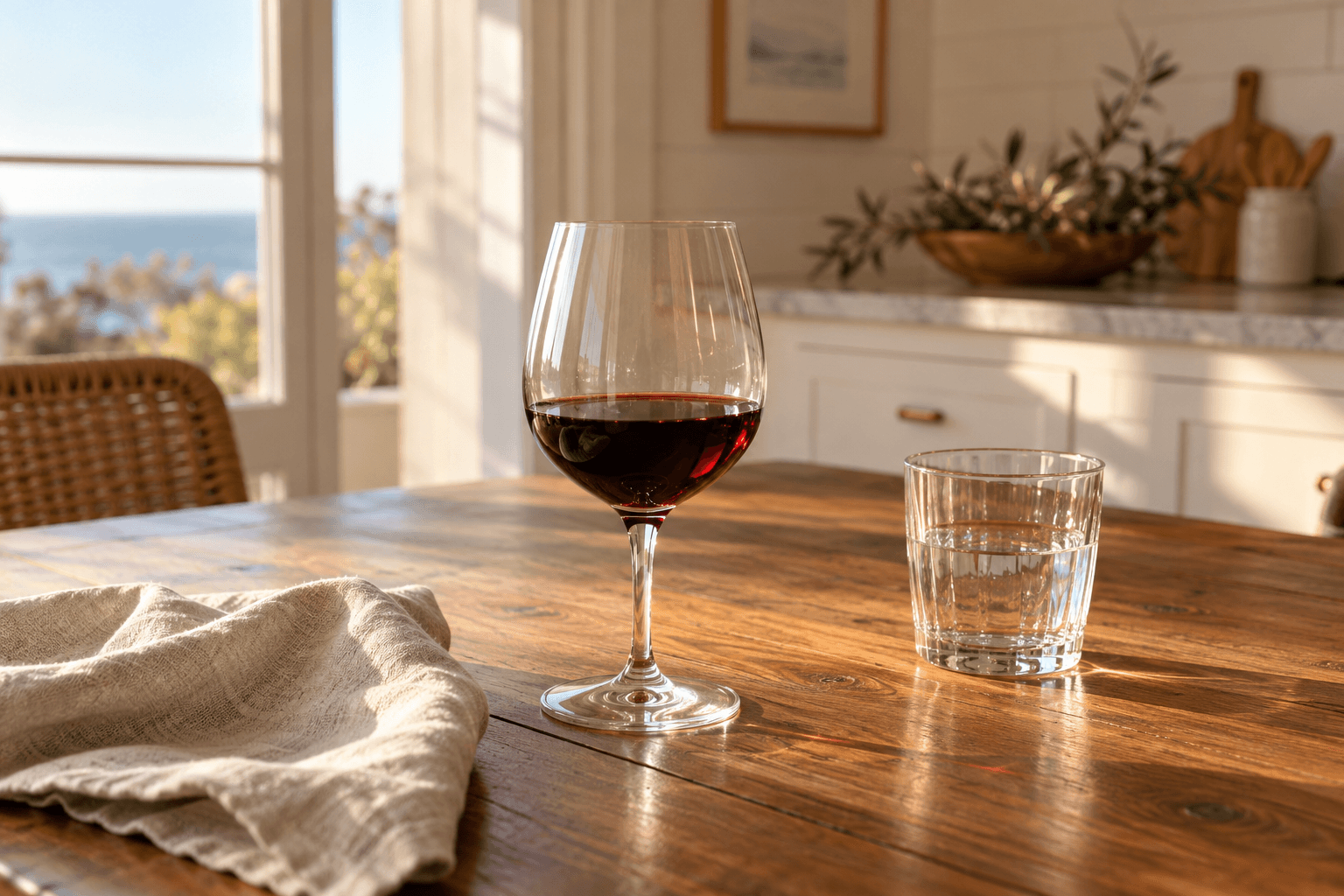
Your Glass of Wine Might Be More Than One Drink
One Lower Reading Can Tell the Wrong Story
Perhaps you feel relaxed after a drink. Or you happen to check your blood pressure that evening and the number is lower. It is tempting to connect those dots.
A Cochrane review of 32 randomized trials found that alcohol’s short-term effects can change direction. Higher single doses could lower blood pressure initially and raise it later. Those experiments mostly involved healthy men; they were not tests of the long-term benefits of drinking less.
A lower reading soon after alcohol is not evidence that alcohol is treating your blood pressure. There is no need to drink and measure to test the idea.
Make the Readings Useful
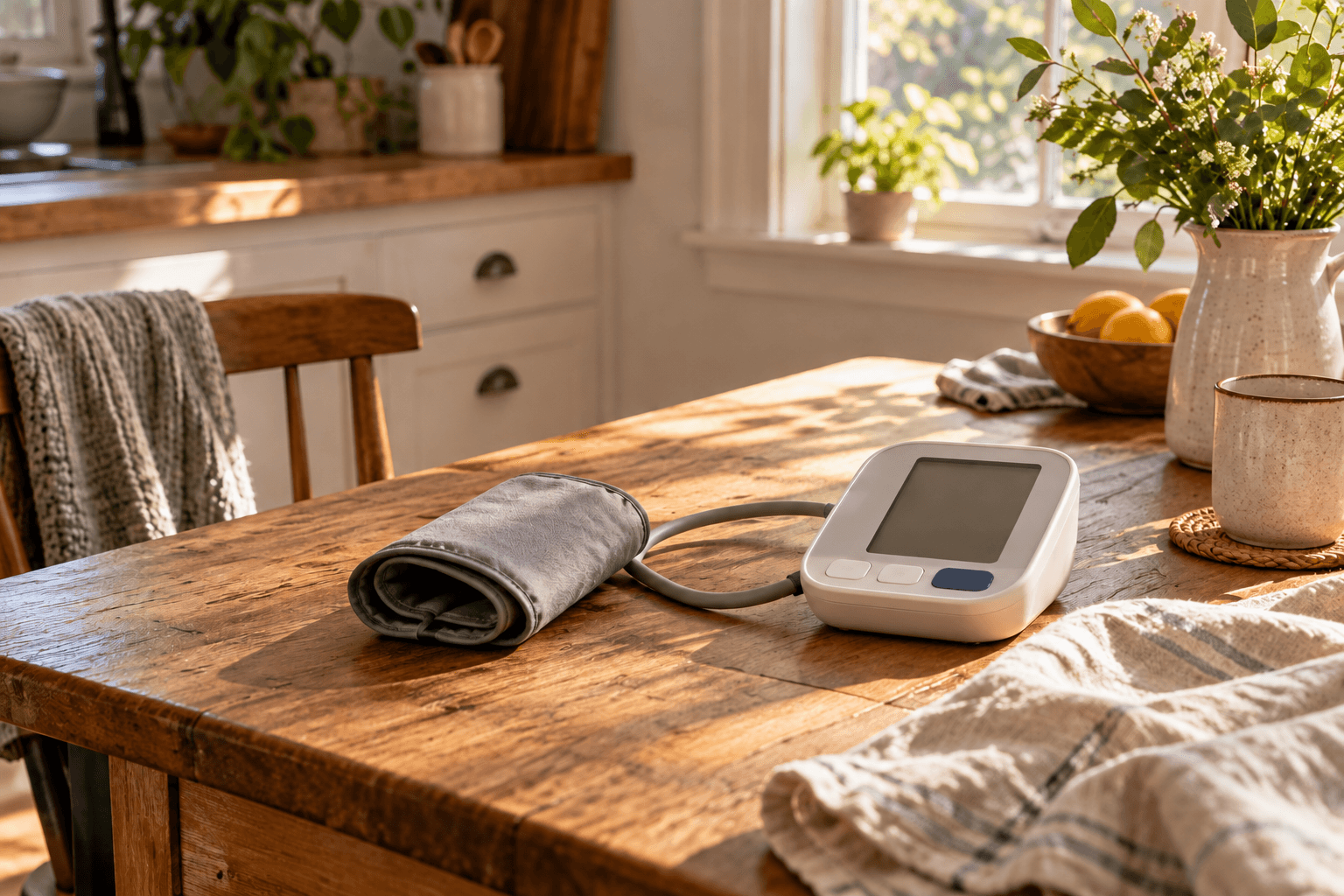
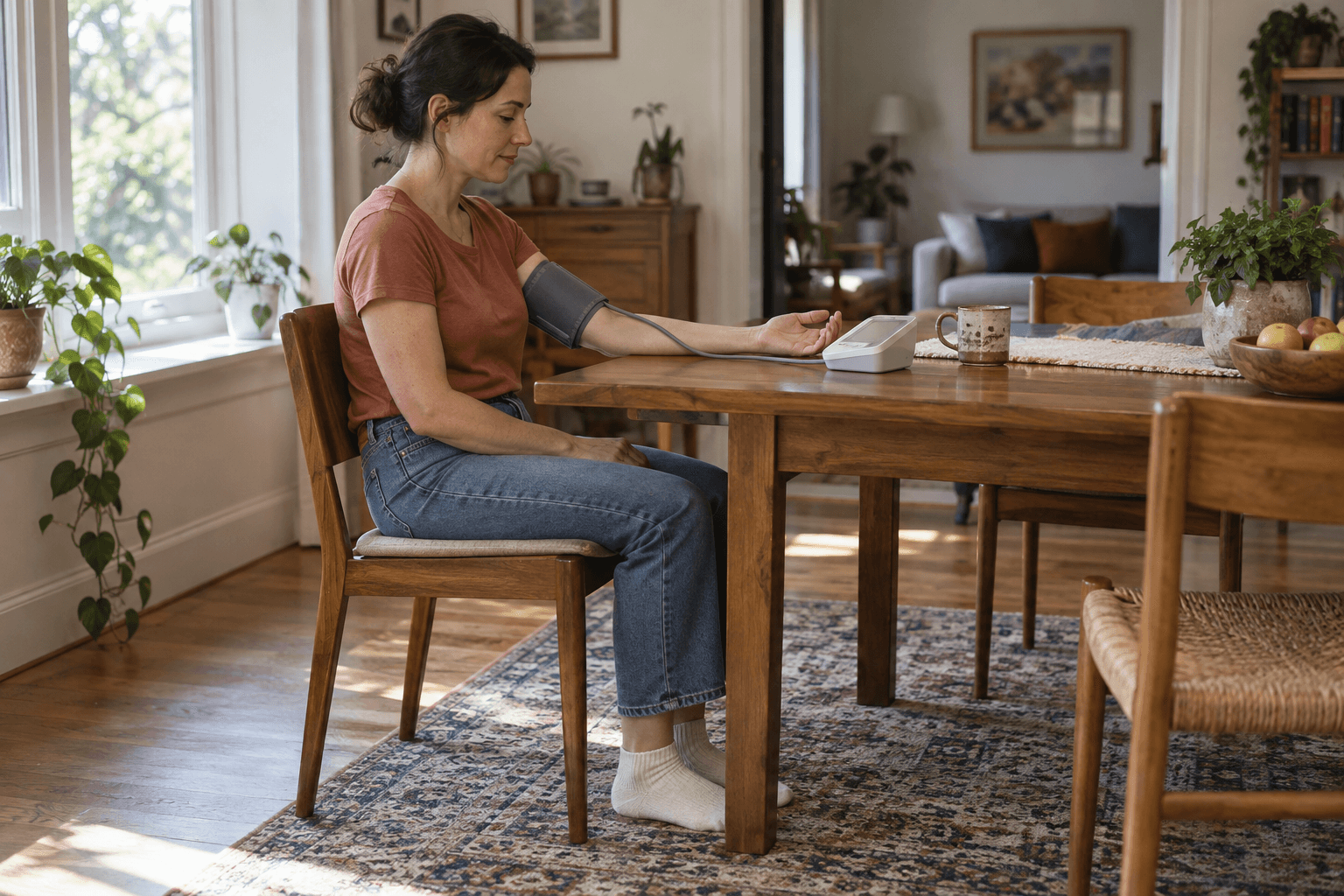
If your clinician recommends home monitoring, ask them to help you choose a validated upper-arm monitor and the right cuff size. Have them check your technique and agree on when and how often to measure.
- Rest quietly for at least five minutes. Sit with your back supported, feet flat and arm supported at heart level. Place the cuff on bare skin.
- Take two readings one minute apart and record both. Follow a consistent schedule rather than measuring only when you expect a good result.
- Follow preparation instructions, including avoiding smoking, caffeine and exercise for 30 minutes beforehand and emptying your bladder.
These are American Heart Association measurement basics. Home monitoring supports care; it does not replace an appointment or confirm a diagnosis by itself.
Record the readings without grading yourself. Bring questions: Should I keep the same schedule? What result should prompt a call? When should we review the pattern?

Bring Alcohol Into the Appointment
You do not need a polished explanation. “I’m wondering whether alcohol is affecting my blood pressure” is enough to start. Describe what you usually drink, how much and how often. If your pours vary, say so rather than making the estimate sound more exact than it is.
Also mention any previous symptoms when you stopped or cut back. NIAAA warns that withdrawal after prolonged heavy drinking can be dangerous. If you drink heavily, have had withdrawal symptoms, or are unsure whether a major reduction is safe, seek medical advice before making that change. A blood pressure goal is not a reason to attempt withdrawal on your own.
Keep taking prescribed blood pressure medication unless your clinician advises a change. A better reading is something to share with them, not a signal to skip a dose.
You can bring an honest estimate and an unfinished question. You do not need to arrive with the answer.

Give the Change a Fair Reading
If you and your clinician decide to change your drinking, agree on a follow-up rather than borrowing a deadline from someone else’s story. A month-long challenge and a treatment plan are not the same thing.
The next appointment does not have to be a reveal. Bring the readings, say what changed and say what was difficult. That gives you both something useful to work with, whether the numbers have moved or not.
Frequently Asked Questions
How quickly will blood pressure fall after I cut back?
There is no reliable personal countdown. Ask your clinician when to review your readings rather than assuming a result after a set number of days.
Does no change in my readings mean cutting back was pointless?
No. Blood pressure is one measure, and these studies do not predict every person’s response. Discuss the pattern with your clinician rather than treating an unchanged reading as a reason to resume drinking or abandon treatment.
Can I stop my medication if my readings improve?
Do not stop or change prescribed blood pressure medication without your clinician’s advice. Share the improvement and let them assess your treatment.
What if a home reading is extremely high?
For nonpregnant adults, a top number above 180 or bottom number above 120 mm Hg with symptoms such as chest pain, shortness of breath, weakness, vision changes or difficulty speaking means call 911 immediately. Without those or other new concerning symptoms, wait at least one minute and recheck. If it remains that high, contact your healthcare professional as soon as possible. Pregnancy needs separate guidance from your maternity care team. Do not wait for drinking changes to help.